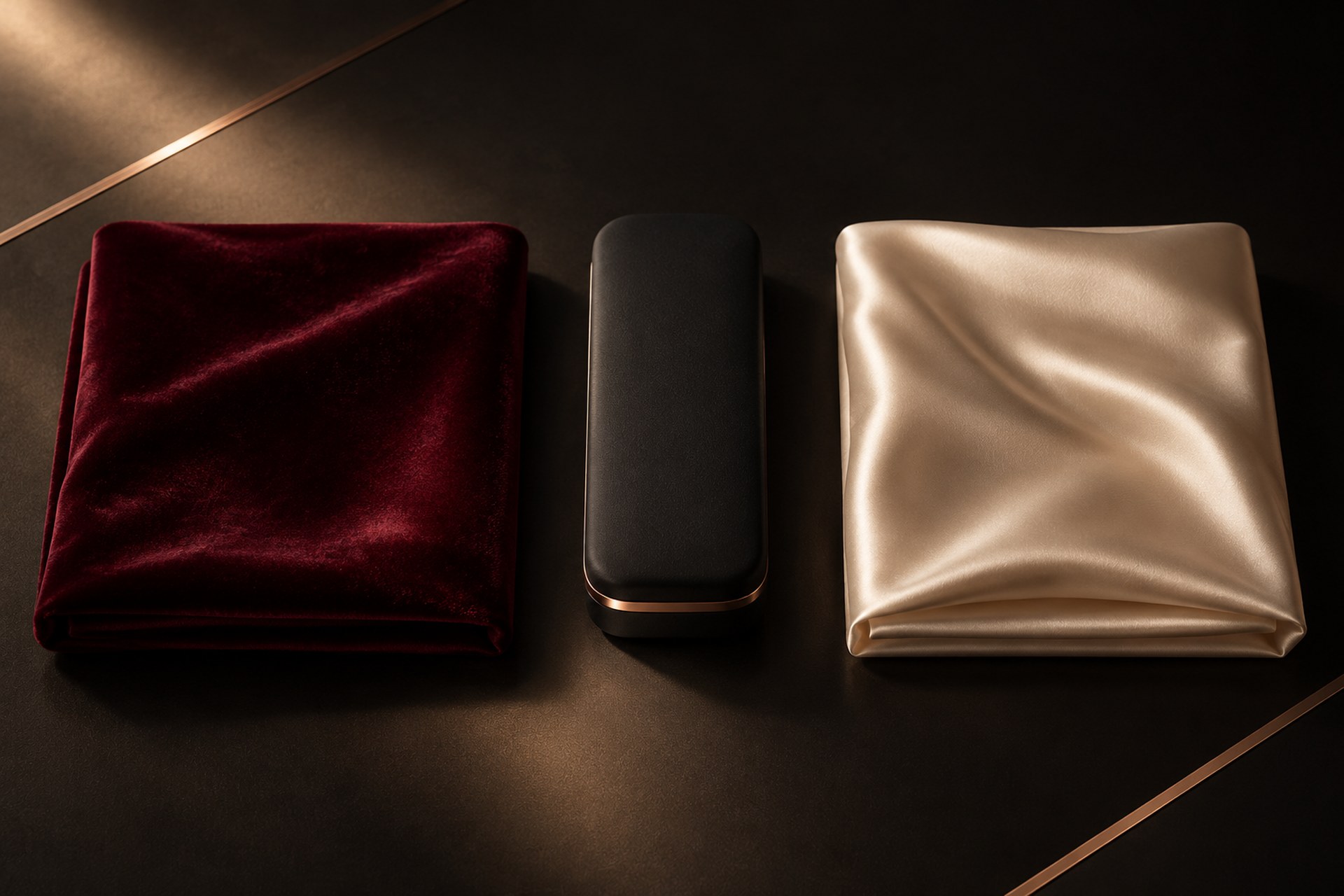
Chapter two
Two people, one shelf.
Sets and pairs designed so that neither piece is the accessory and neither person is the operator.
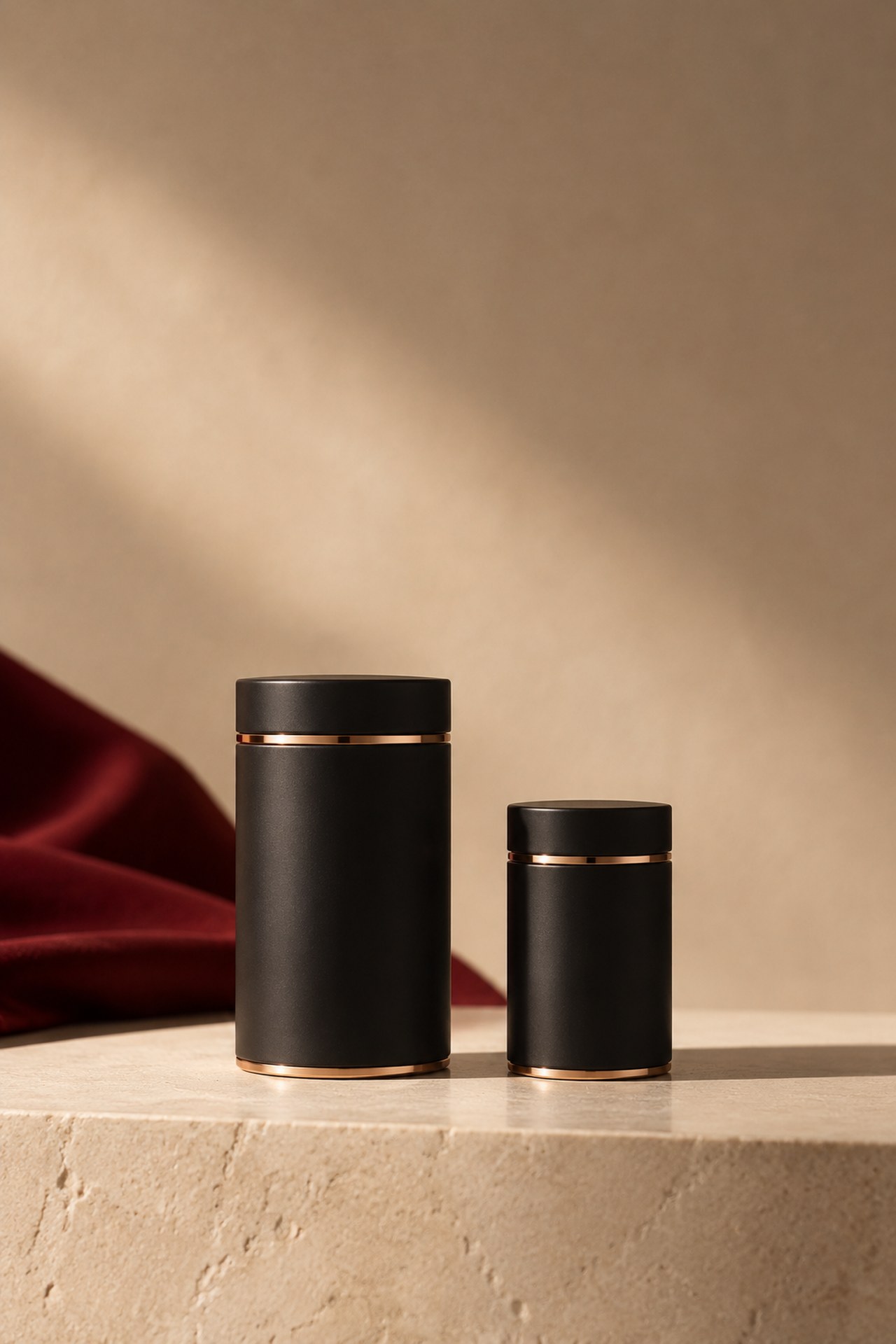 Add to cart
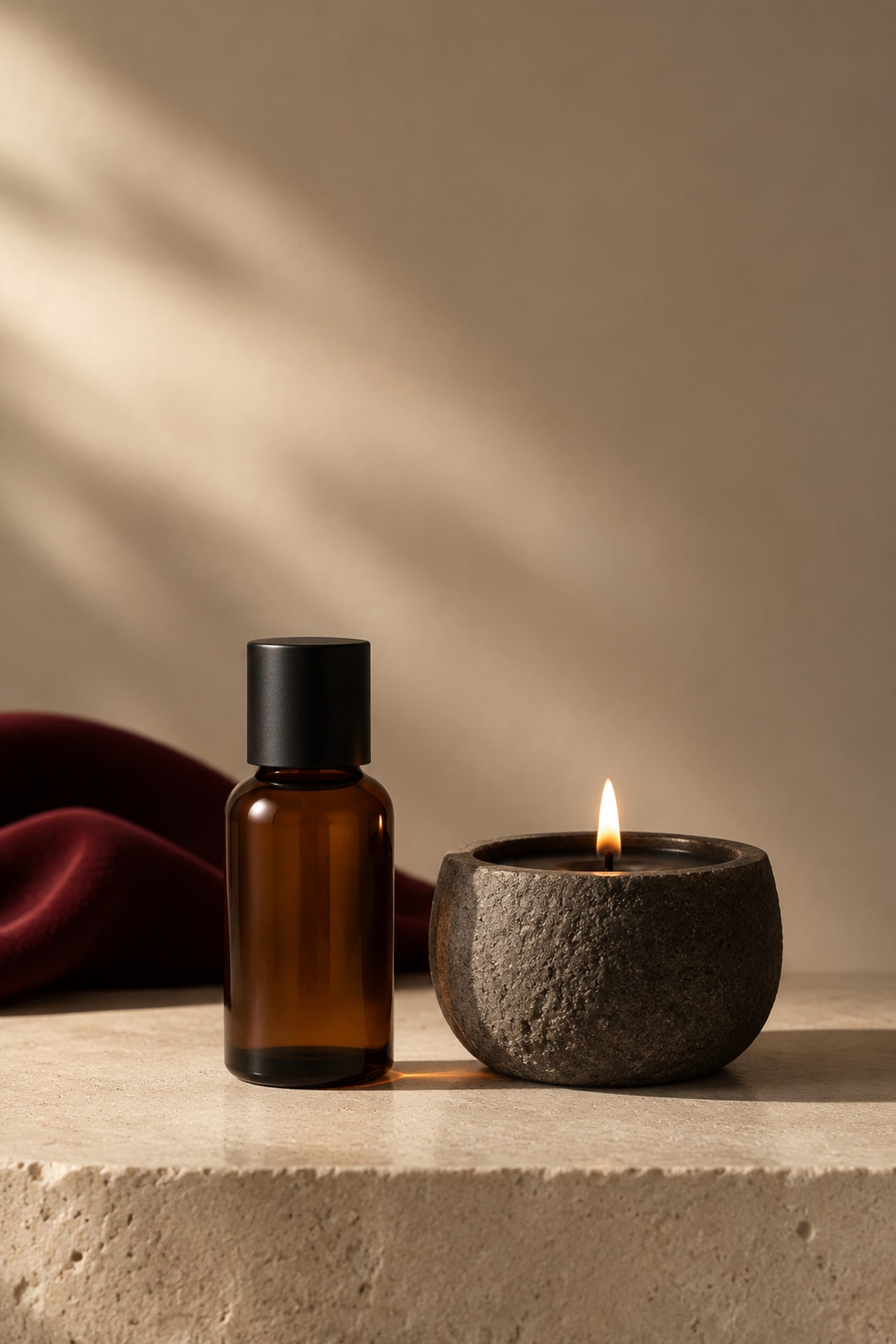 Add to cart
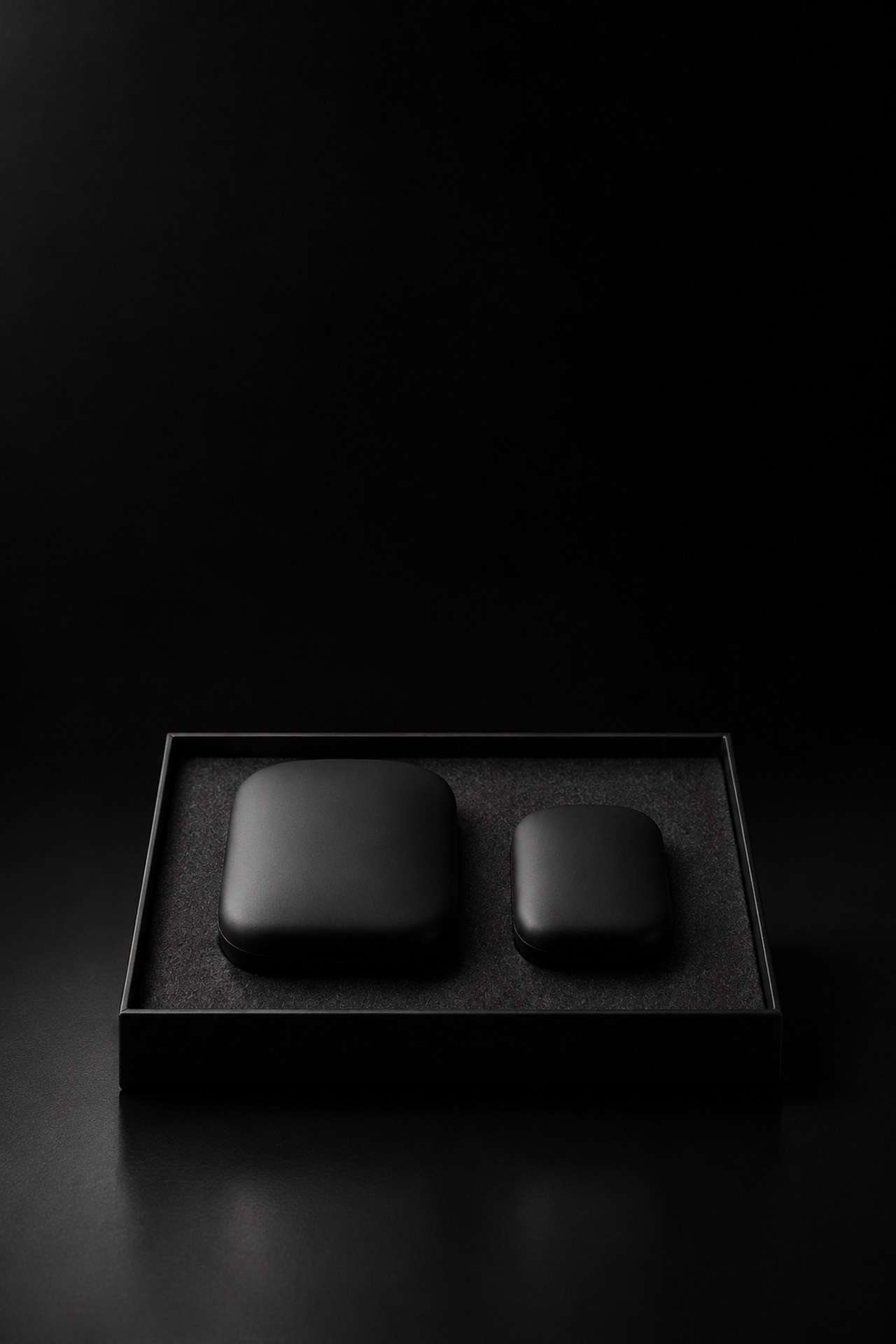 Add to cart
 Add to cart
 Add to cart
 Add to cart
 Add to cart
 Add to cart
How to choose
Couples' collection, in three decisions.
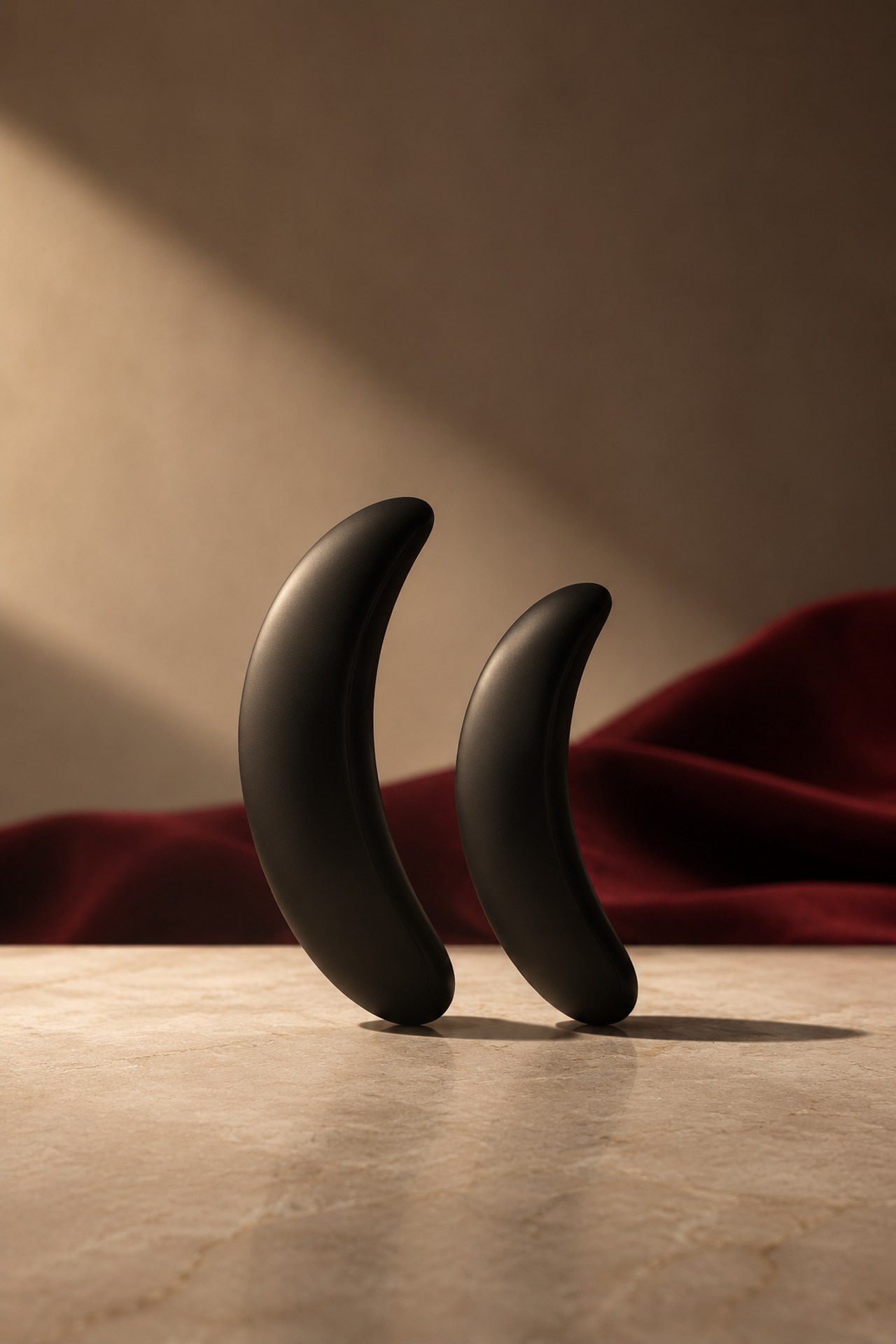
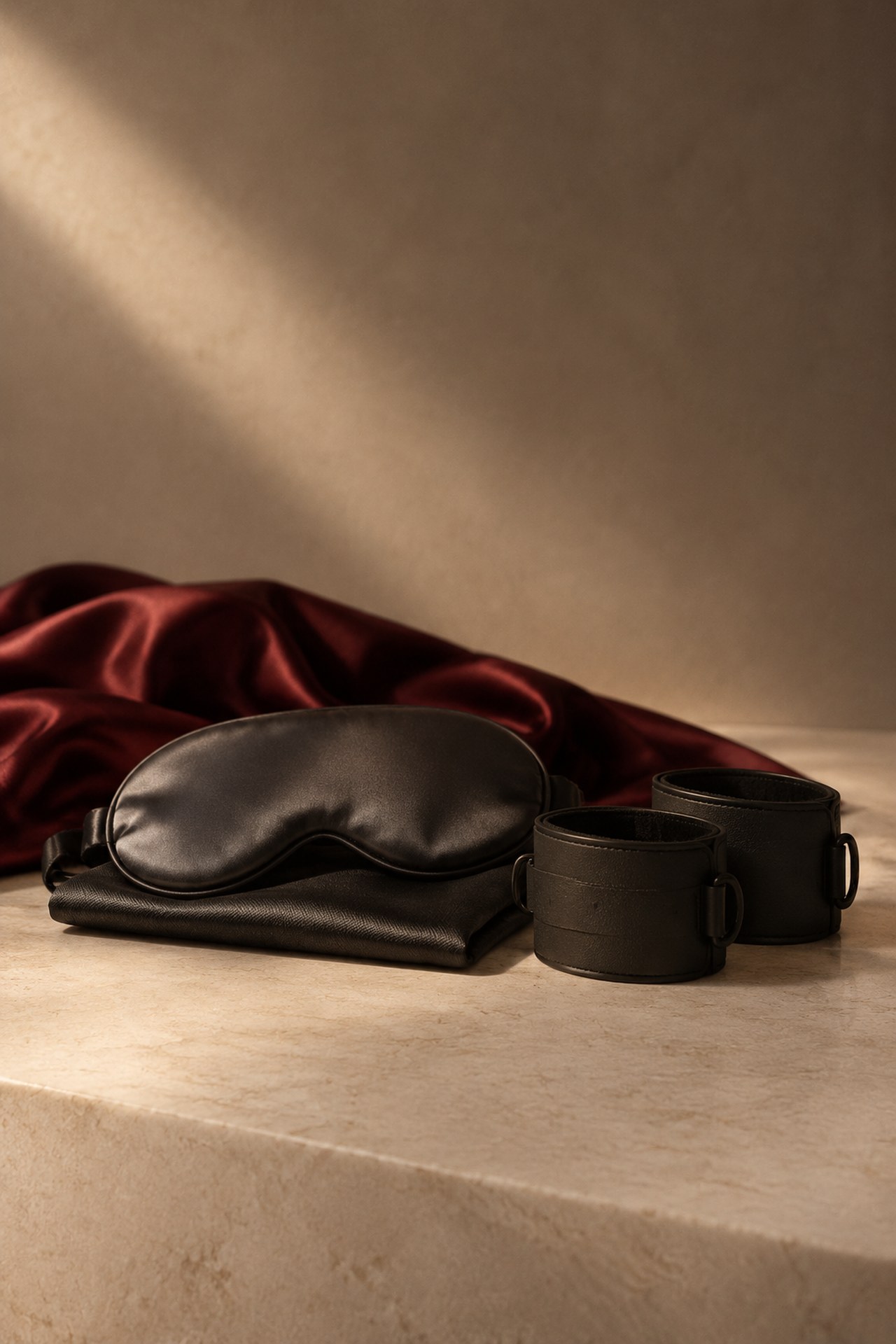
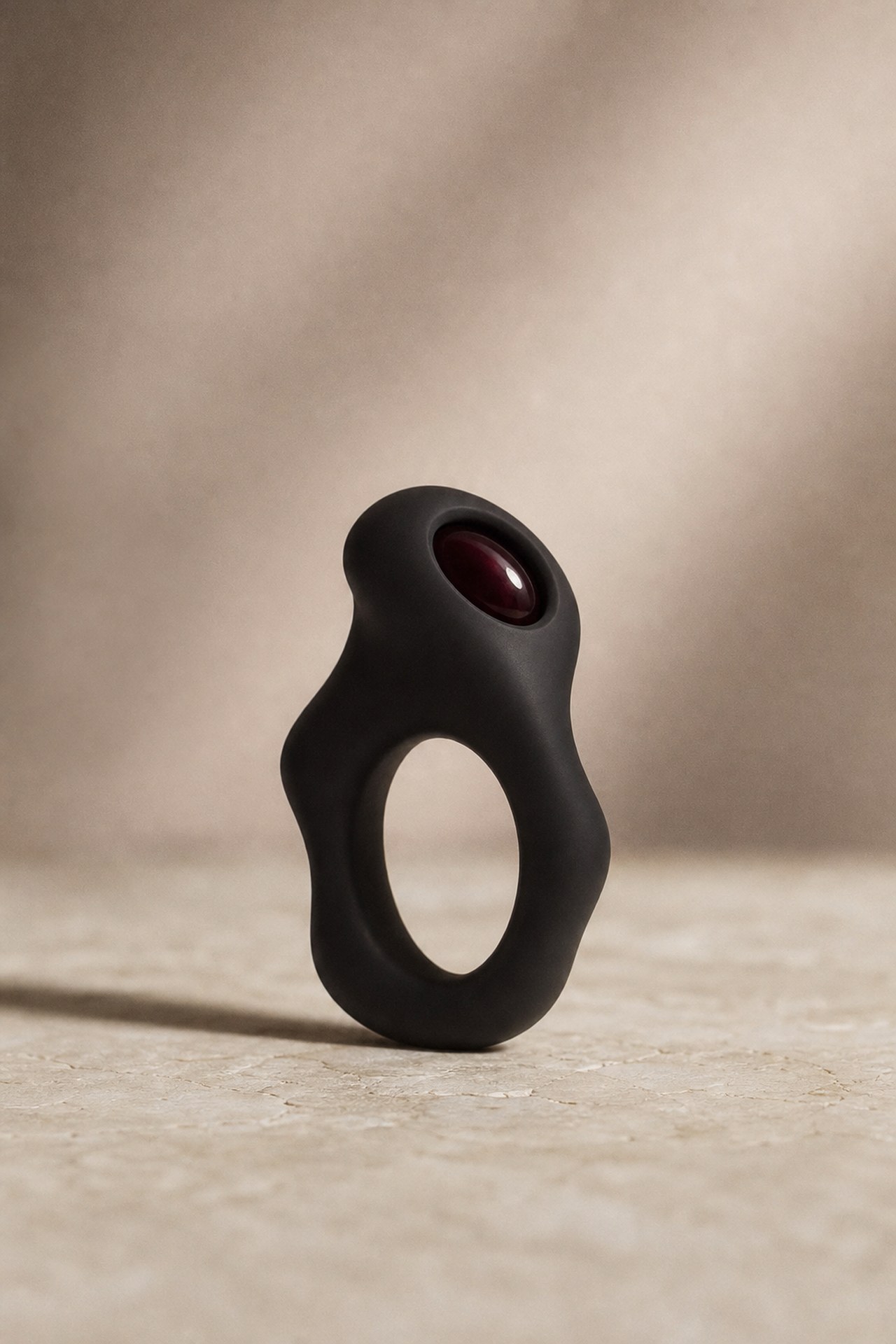
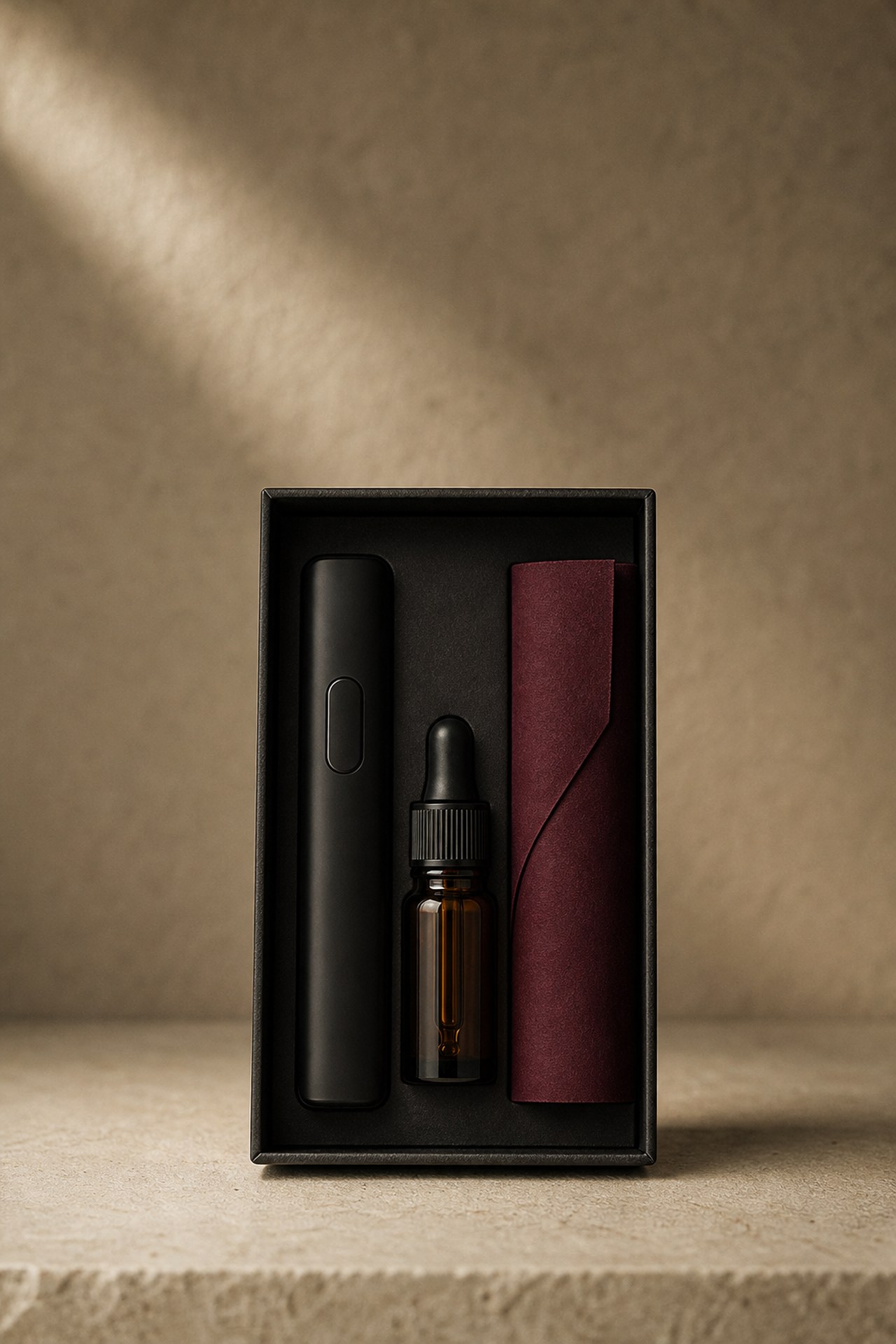
The couples' category is usually built on a false premise: one product, plus a smaller version for the partner. We took the opposite approach. Atelier No. 1 contains two genuinely different pieces, each usable alone, and Evening Pair combines a candle and an oil because those are the two things people actually reach for together.
Everything here is designed to be stored in the open, in a tray or a vessel, rather than hidden. That is a design constraint as much as an aesthetic one: objects that are visible get used, and objects that are hidden acquire a kind of ceremony that most people do not want on a Tuesday.
Buy for the slower person
In most couples, one person wants to move faster than the other. A set with a broad, low-frequency piece gives the slower person somewhere to stay, and the faster person something to do.
Agree on storage first
The most common friction is not use, it is where the thing lives. Decide before you buy whether it sits on a shelf, in a bedside drawer, or in a case.
Keep it simple
Two controls, two pieces, one tray. Sets with six attachments and a remote tend to be used once.
Questions asked about this chapter